
eFONAr: Emergency Front of Neck Airway Registry
A national collaborative project with the Difficult Airway Society (DAS) and the Royal College of Anaesthetists Centre for Research and Improvement (RCoA).
The eFONA registry launched on 30th March 2026 and is now live!.
The Emergency Front of Neck Airway Registry (eFONAr) will collect data on cases of eFONAr. The project is a collaboration between the Difficult Airway Society (DAS) and the Royal College of Anaesthetists Centre for Research and Improvement (RCoA CR&I) and follows on from the work of NAP4, which studied Major Complications of Airway Management in the United Kingdom.
The 4th National Audit Project (NAP4) of the Royal College of Anaesthetists and the Difficult Airway Society was the largest service evaluation of adverse events in airway management. Results of this study from March 2011, included 58 cases of eFONA out of approximately 3 million surgical episodes.
Whilst the need for the creation of an emergency front of neck airway is rare the potential for an adverse outcome (brain damage or death) is significant should this occur. However, collecting information about and learning from these events is difficult given their rarity. Often the experience is gathered on individual case reports of success and failure. A randomised controlled trial in this area will never be possible due to ethical implications, therefore this national registry offers an opportunity to safely gather this information.
Multiple factors are thought to impact on the need for and success of eFONA. These include patient characteristics (e.g. age, body habitus); the context (e.g. emergency situations); the operator (e.g. seniority, training); the preceding events (e.g. airway assessment and management); techniques used (type of eFONA equipment), team-work and human factors. This registry will allow these cases to be examined fully and systematically to identify significant themes common to some or all cases, areas of good and inadequate practice and make recommendations that will allow clinicians working in anaesthesia, intensive care and emergency medicine to save more lives in the future.
Collecting data from a cohort of cases will allow practice in this field to be improved and save lives, resulting in decreasing the risk of harm to patients by maximising the success rate of this rare but high-stake event therefore allowing more patients access to surgery safely for its primary purpose.
This will be a voluntary, anonymously reported, de-identified cases (no patient, staff or trust/hospital identifiers) involving emergency front-of-neck access in the secondary care setting. Data will be reported by clinicians using REDCap interface. These reports will be reviewed by a panel every 3-4 months, to generate a systems-based analysis of the events and decision-making in the process of eFONA.
Who should be reported?
- All cases where an eFONA procedure has been attempted or performed, successfully or unsuccessfully.
- All patients should be included regardless of age.
However, any non-emergency cases front of neck access should not be entered.
If in doubt about whether a case is eligible for reporting, please refer to the inclusion/exclusion criteria and speak to your local Airway Lead.
How do I get access to the registry?
Your local Airway Lead will have the URL to access the eFONA registry on REDCap. You can also find how to report a case in the instructions below.
How long will it take me to complete the data entry?
We anticipate it will take 45-60 minutes. We advise familiarising yourself with the data set prior to filling in the registry, this will ensure you have all the information required.
We recommend contacting your local airway lead, who can offer further assistance with the necessary information and how to find this. This is especially important if the clinician entering the data was not present for the entire event, such as arriving after the start of the eFONA event and therefore may not be aware of preceding events. In this situation, we suggest that all those involved in the eFONA event should gather and complete the registry as a group, as this will help to capture a greater amount of information.
Do I have to complete the entry in one go?
Ideally, we would like participants to complete data entry in one go however, we understand that this may not always be possible. During data entry it is possible to save the data and send yourself a unique identifier link which will take you back to the last entry. Please note the email address entered is not stored on REDCap in line with ethical approval. Do not delete this email with your unique link . If lost/deleted we will not be able to retrieve it for you and you will have to begin your data entry again.
How will the data be reviewed?
The panel will review each case as a small group, with the whole panel then reviewing all the cases within the (three-month) period together to compare and contrast across cases, and to seek consensus on key themes within and between the systems and subsystems for individual/groups of cases.
This will help identify potential factors that could be improved to achieve better outcomes by identifying patient characteristics, human factors, guideline compliance, etc. and to be able to provide evidence-based recommendations for practice at national levels.
Do I need to get patient/family consent? Why not?
A major obstacle for this project was ethical approval as the study is designed to collect voluntary, anonymously reported, de-identified cases of emergency front-of-neck airway events. Seeking consent from individuals involved risks creating bias in the registry, as well as allowing identification of the reporter. Therefore, no explicit patient consent is sought due to the nature of the event and its potential impact on data collection.
To support our project, we sought engagement from the RCoA Patient, Carer & Public Involvement and Engagement group. Feedback from this group highlighted the strengths and need of this project as the formation of an emergency front-of-neck airway (eFONA) is a major complication of anaesthesia with significant implications for both the patient and the medical team involved. They appreciated that due to the rarity of eFONA, learning at the individual or local level is likely to be very limited. Most of the group members felt that the severity of eFONA and the recognised need for learning justifies the proposal to collect data without explicit consent from the patient (or consultation with a close friend or family member).
Can I get involved? How can I help?
If you work in England or Wales, then the airway leads at each trust will act as local leads for data. Although no local R&D approval is required, we anticipate that local leads will help provide pastoral support to clinicians reporting these potentially traumatic events as well as signposting to the registry should these events occur within your department to help capture maximal data. We need your help to raise awareness of this project! Advertising materials can be found here.
What can I do as Airway Lead?
We expect all local airway leads to be the local leads for the eFONAr, to provide pastoral support to clinicians reporting these potentially traumatic events and to signpost the registry should these events occur within your department to ultimately help capture maximal data.
We will need your help to raise awareness of this project and to help we attach a poster, which you can advertise in your department.
Why is my Trust or Hospital under the ‘Awaiting Approval/Declined’ List? And what shall I do?
We have already been in touch with your local R&D team and are waiting for them to send over Capacity and Capability (C&C) Approval, which is an internal R&D process to assess feasibility for the eFONAr at your Trust or Hospital. This can sometimes take time.
If you find yourself in this position and have an eFONA case for the registry that has occurred after 30th March 2026, we ask that you keep the details of the case in preparation to enter the case information when your Trust or Hospital has provided C&C approval.
In addition, you can help by contacting your local R&D team to express interest to encourage them to support the eFONAr. Please encourage them to contact us at efona@rcoa.ac.uk so that we can help support them with this process.
Who do I contact if I have any questions?
If you have any feedback on the REDCap data collection tool, please send to efona@rcoa.ac.uk. Please DO NOT inform us of any cases, enter any patient, clinician or Trust or Hospital identifiable details in any enquiry. Only provide feedback on the process.
If you have any questions about the eFONA registry itself and how it works, please contact your local airway lead who will be able to provide you with more information and will know who to contact to find out more.
The eFONAr study documents can be found here.
A poster to advertise the eFONA registry can be found here.
If you have had a case of eFONA that has occurred on or after 30th March 2026, please contact your local airway lead who will be able to guide you to the REDCap data collection tool and help enter the case information together. Remember, you can only enter case information if your trust or hospital is on the approved list of sites.
- Approved (Your Trust/Site has provided Capacity and Capability approval and you can report your eFONA case via the REDCap webtool.
- Hospital name:
| Addenbrooke's Hospital |
| Aintree University Hospital |
| Alexandra Hospital, Redditch |
| Arrowe Park Hospital |
| Ashford Hospital |
| Barnsley Hospital |
| Basingstoke and North Hampshire Hospital |
| Birmingham Children's Hospital |
| Birmingham Women's Hospital |
| Bridlington and District Hospital |
| Bristol Eye Hospital |
| Bristol Heart Institute |
| Bristol Royal Hospital for Children |
| Bristol Royal Infirmary |
| Broadgreen Hospital |
| Bronglais General Hospital |
| Calderdale Royal Hospital |
| Cannock Chase Hospital |
| Castle Hill Hospital |
| Central Middlesex Hospital |
| Cheltenham General Hospital |
| Cirencester Hospital |
| Clatterbridge Hospital |
| Colchester General Hospital |
| Conquest Hospital |
| County Hospital Louth |
| Crawley Hospital |
| Cumberland Infirmary |
| Dewsbury and District Hospital |
| Durham Diagnostics and Treatment Centre |
| Ealing Hospital |
| East Surrey Hospital |
| Eastbourne District General Hospital |
| Epsom General Hospital |
| Friarage Hospital |
| Glangwili General Hospital |
| Gloucestershire Royal Hospital |
| Grange University Hospital |
| Grantham and District Hospital |
| Harrogate District Hospital |
| Hinchingbrooke Hospital |
| Hospital of St. Cross |
| Huddersfield Royal Infirmary |
| Hull Royal Infirmary |
| Ilkeston Community Hospital |
| Ipswich Hospital |
| Jessop Wing, Sheffield |
| Kent and Canterbury Hospital |
| Kidderminster Hospital and Treatment Centre |
| Kingston Hospital |
| Leigh Infirmary |
| Lincoln County Hospital |
| Maindiff Court Hospital |
| Maidstone Hospital |
| Manchester Royal Eye Hospital |
| Manchester Royal Infirmary |
| Medway Maritime Hospital |
| Musgrove Park Hospital |
| Nevill Hall Hospital |
| New Cross Hospital |
| Noah's Ark Children's Hospital for Wales |
| Norfolk and Norwich Hospital |
| Northampton General Hospital |
| Northern General Hospital |
| Northwick Park and St Mark's Hospitals |
| Ormskirk District General Hospital |
| Peterborough City Hospital |
| Pilgrim Hospital |
| Pinderfields Hospital |
| Pontefract Hospital |
| Princess Alexandra Hospital, Harlow |
| Prince Charles Hospital |
| Prince Philip Hospital |
| Princess Anne Hospital |
| Princess of Wales Hospital |
| Queen Alexandra Hospital |
| Queen Elizabeth Hospital, Gateshead |
| Queen Elizabeth Hospital, Woolwich |
| Queen Elizabeth The Queen Mother Hospital |
| Queen Mary's Hospital for Children |
| Queen Mary's Hospital, London (Roehampton) |
| Queen Victoria Hospital, East Grinstead |
| Queen's Hospital, Burton on Trent |
| Rotherham Hospital |
| Royal Albert Edward Infirmary |
| Royal Derby Hospital |
| Royal Glamorgan Hospital |
| Royal Gwent Hospital |
| Royal Hallamshire Hospital |
| Royal Hampshire County Hospital |
| Royal Manchester Children's Hospital |
| Royal Papworth Hospital |
| Royal Surrey County Hospital |
| Scarborough General Hospital |
| Sheffield Children's Hospital |
| Sir Robert Peel Community Hospital |
| Southmead Hospital |
| South Bristol Community Hospital |
| South Tyneside District Hospital |
| South West London Elective Orthopaedic Centre |
| Southport and Formby District General Hospital |
| St Catherine's Hospital |
| St George’s Hospital |
| St Helier Hospital |
| St Mary's Hospital, Isle of Wight |
| St Mary's Hospital, Manchester |
| St Michael's Hospital, Bristol |
| St Peter's Hospital |
| St Woolos Hospital |
| Stepping Hill Hospital |
| Stoke Mandeville Hospital |
| Stroud General Hospital |
| Sunderland Eye Infirmary |
| Sunderland Royal Hospital |
| Tameside and Glossop Integrated Care Hospital |
| Tewkesbury Community Hospital |
| The Great Western Hospital, Swindon |
| The James Cook University Hospital |
| The New Selby War Memorial Hospital |
| The Rosie Hospital |
| The Royal Liverpool University Dental Hospital |
| The Royal Liverpool University Hospital |
| The Royal National Orthopaedic Hospital |
| The York Hospital |
| Trafford General Hospital |
| Tunbridge Wells Hospital |
| Uckfield Hospital |
| University Dental Hospital, Cardiff |
| University Dental Hospital Of Manchester |
| University Hospital Coventry |
| University Hospital Lewisham |
| University Hospital Llandough |
| University Hospital of Wales |
| University Hospital Southampton |
| University of Bristol Dental Hospital |
| West Cumberland Hospital |
| Weston General Hospital |
| Weston Park Hospital |
| Whittington Hospital |
| William Harvey Hospital, Ashford |
| Withington Community Hospital |
| Withybush General Hospital |
| Worcestershire Royal Hospital |
| Wrightington Hospital |
| Wycombe General Hospital |
| Wythenshawe Hospital |
| Yeatman Hospital |
| Yeovil District Hospital |
| Ysbyty Ystrad Fawr |
- Awaiting approval (We are still waiting for your Trust/Site to give approval for you to report your eFONA case. In this instance, we ask you to keep a note of information surrounding the case, using the dataset information provided in the study documents as a guide. Following approval from your trust/site, you can enter your case. If you would like to know more, please express your interest in participating in the eFONAr with your R&D team and encourage them to get in touch with us at efona@rcoa.ac.uk)
Coming Soon
- Declined (Unfortunately, your trust/site has declined participation in the eFONA registry. This means that we do not have the approval for you to add a case into the eFONA registry. If you would like your trust/site to be involved, please contact your local R&D team and advise them to get in touch with us at efona@rcoa.ac.uk.)
- Hospital Name:
| Alder Hey Childrens Hospital |
| Burnley General Hospital |
| Jessop Wing |
| Kettering General Hospital |
| Northern General Hospital |
| Royal Blackburn Hospital |
| Royal Hallamshire Hospital |
| Royal Orthopaedic Hospital |
| Weston Park Hospital |
| Whiston Hospital |
Meet the eFONAr team
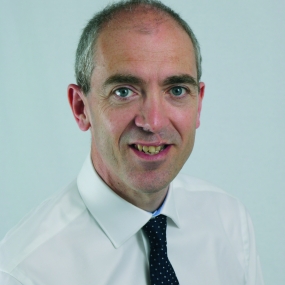
(M.B., B.Chir., M.A., M.R.C.P., F.R.C.A., D.M)
Iain Moppett is professor of anaesthesia and perioperative medicine at the University of Nottingham and an honorary consultant anaesthetist. He is the director of the RCoA Centre for Research and Improvement.
He was awarded the William Farr medal by the Worshipful Society of Apothecaries in 2024 for his work improving care of older people needing surgery.
He has served on the editorial board of the British Journal of Anaesthesia and is currently an editor of Anaesthesia.
Iain's primary academic interests are in improving outcomes for older patients undergoing surgery and in perioperative patient safety. This work has previously focused on risk stratification, impact of perioperative care process and clinical trials in hip fracture, and more recently has been investigating delirium and postoperative cognition. His safety work encompasses ergonomics of anaesthetic practice and the risks associated with surgical Never Events.
Iain is a member of the NICE Quality Standards group for hip fracture and a regular member of the British Orthopaedic Association Hip Fracture peer review team. He has also provided external reviews of Never Event investigations to regional hospitals.
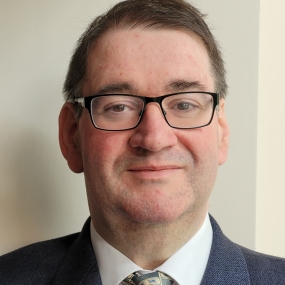
Alistair McNarry is a consultant anaesthetist in Edinburgh with an interest in anaesthesia for head and neck surgery. Alongside this he is committed to improving safe airway practice whether that’s in relation to videolaryngoscopy, apnoeic oxygenation techniques (THRIVE etc), jet ventilation or flexible bronchoscopic intubation.
From 2016-2023 he was the first RCoA-DAS Airway Leads Advisor a role where he continued to pursue the NAP4 quest for more evidence on the best eFONA technique. [Recommendation: Further research focused at identifying the success rates and optimal techniques of cannula cricothyroidotomy is required. P113 of the NAP4 Report].
In his spare time, he has contributed to over 50 publications and book chapters (including three sets of DAS Guidelines) and is an associate editor for the European Journal of Anaesthesia.
This journey of establishing what we needed to know and how best to gather that information has been slightly longer than originally intended and has required the input of many airway managers from across the UK and around the world but without whose help (and that of the team at the CR&I) this project would not exist today.

Sejal is a ST6 Anaesthetist based at Addenbrookes, Cambridge. As CR&I fellow (2025/2026), she serves as the lead for eFONAr. Her role involves collaborating with the research team and the Difficult Airway Society to launch the efONA registry. This includes navigating complex approvals, optimising the dataset on REDCap and promoting the registry nationally. Sejal’s interests include complex airways, paediatric anaesthesia and perioperative medicine.
Special thanks to
- Natasha Jimbu for her programming expertise
- Dr Parineeta Ghosh eFONAR Fellow 2024-25
- Laura Cortes and Christine Taylor at the RCoA CR&I
eFONA Panel members
- Dr Imran Ahmad
- Dr Ravi Bhagrath
- Dr Clare Conlon
- Prof Tim Cook
- Dr Gunjeet Dua
- Dr Kariem El-Boghdadly
- Dr Andy Higgs
- Dr Paul Hunt
- Kate Rivett
- Dr Barry McGuire
- Dr Fauzia Mir
- Prof Ellen O’Sullivan
- Prof Anil Patel
- Dr Anette Scholz
- Dr Sneh Shah
- Dr David Vaughan
- Dr Patrick Ward